Visitor Management in Ejtma: From Invitation to Visit Rating
The visitor's path in Ejtma step by step: an invitation from the host, visit approval, a QR pass, a notice to the host on arrival, then the guest's rating.

A supplier's representative reaches the gate at 8:55 for a 9:00 appointment. The receptionist asks who he is meeting, and he gives only a first name. The receptionist calls three departments before identifying the host, and the host is in another room, not answering his phone. The meeting starts fifteen minutes late, and the first thing the guest hears is an apology.
Every step in that story needed one piece of information the host already had: a guest is coming, this is his name, and this is when he arrives. When that information enters the system before the visit, the whole path changes. This article follows the visitor's path in Ejtma step by step, from invitation to rating.
The invitation starts with the host
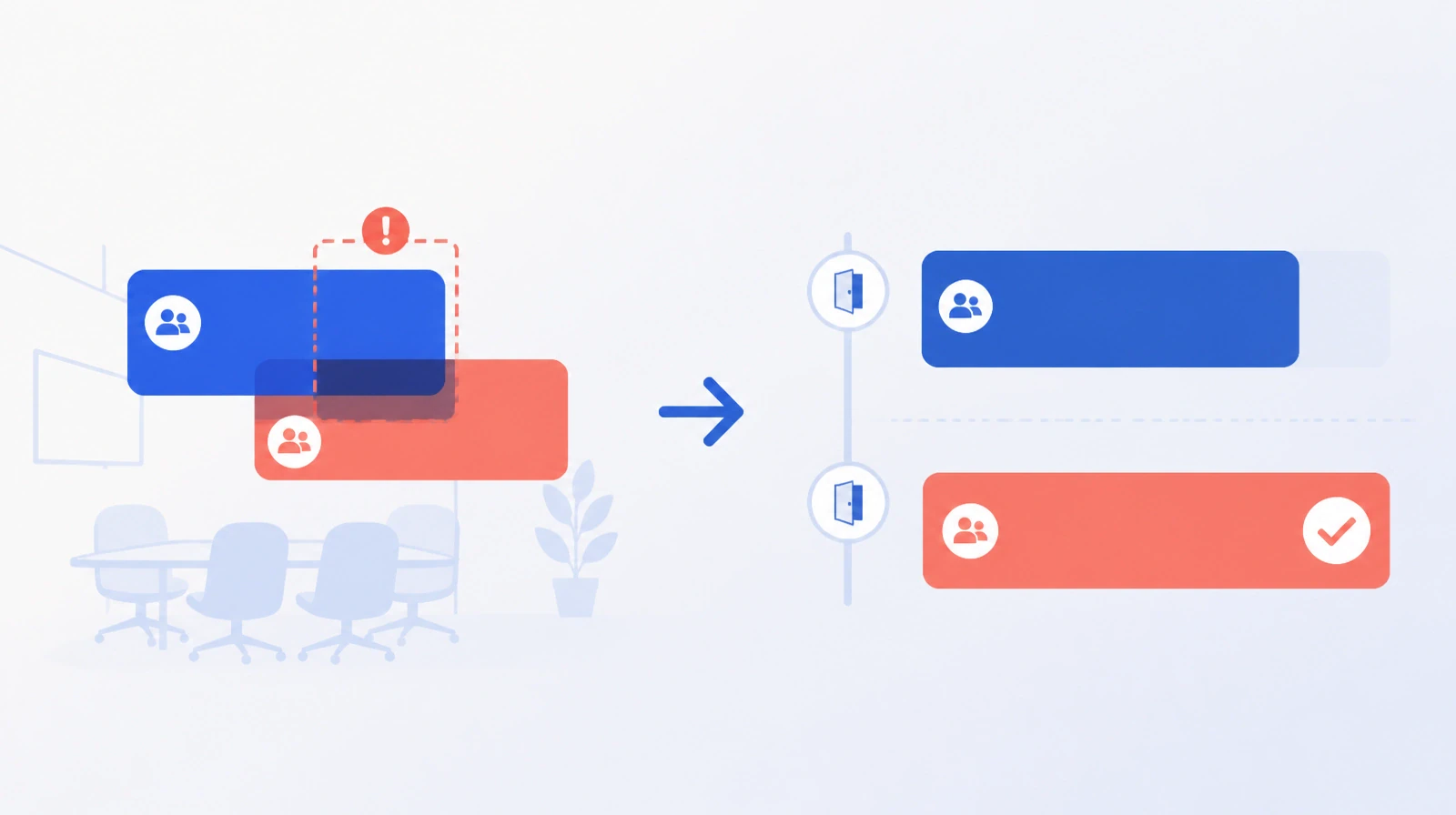
A visit begins when the host registers the guest and sends an invitation. The visit is then recorded under a known host at a known time, a day or more before the guest arrives. Reception does not need a forwarded email or a name on a sticky note.
This also moves the responsibility. In the old way, the receptionist carries the burden of working out who has come and why. Here the host is the one who knows the guest and registers them, and reception deals with a visit that is already prepared.
Visit approval
Some organizations require approval from a responsible party, such as security or facilities, before any visitor enters. Ejtma supports a visit approval step, so the visit request goes to the approver for a decision.
The value of this step is that the entry decision is made before the day of the visit, not at the gate in front of the guest. A rejection at a desk before the appointment is far easier than a rejection in front of a visitor who came from another city. And when the rejection comes early, the host has time to arrange a remote meeting or change the date.
A QR pass
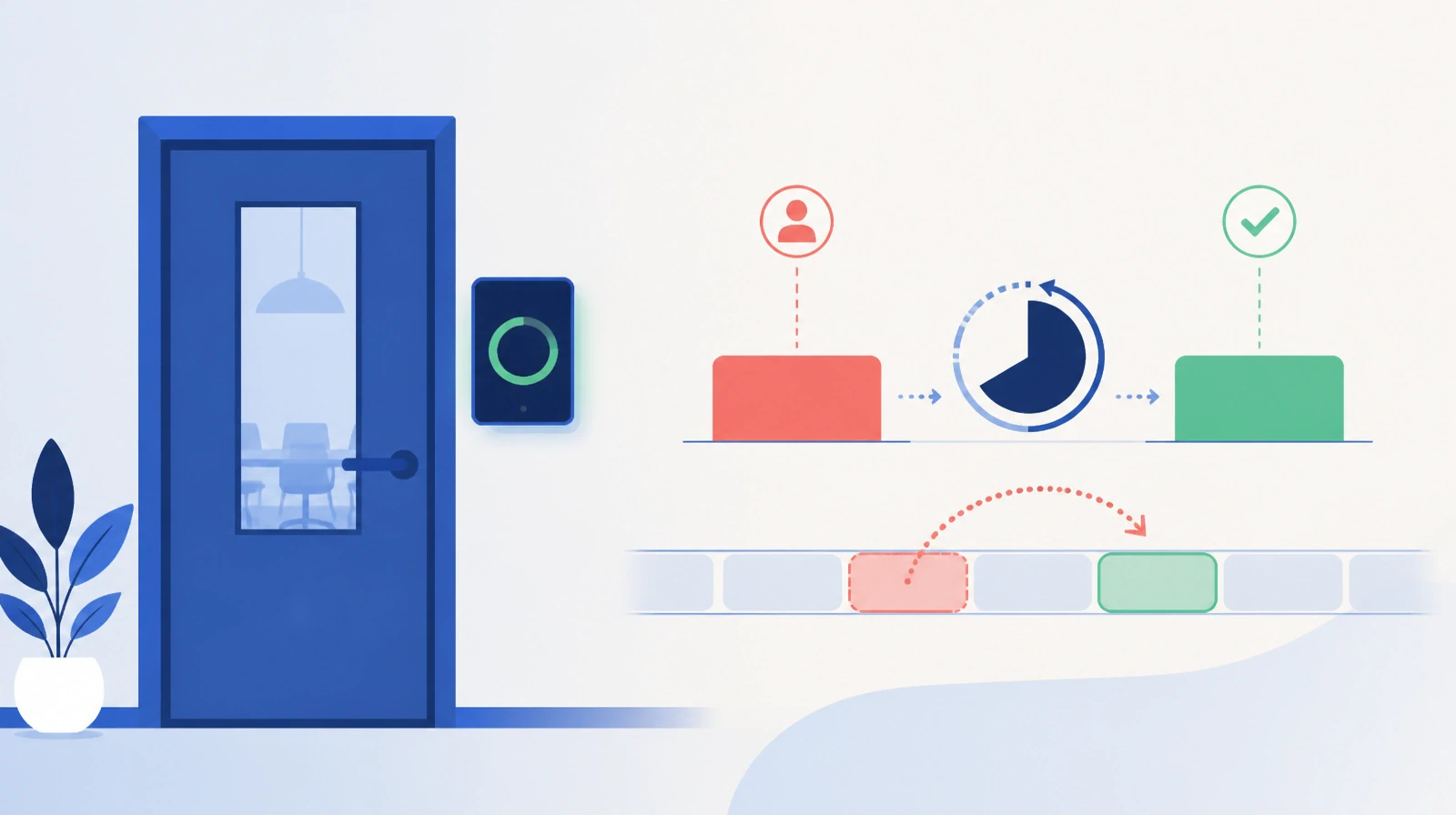
The guest carries a visit pass with a QR code and shows it on arrival. Reception recognizes the visit and its host from the code, without asking for the full name, department, and mobile number.
The effect shows in buildings with many visitors. A rough example: a building receives twenty visitors a day, and each spends ten minutes while reception looks for the host. That is more than three hours a day of guest and reception time together, usually concentrated in the morning peak.
A notice to the host on arrival
When the guest arrives, the host receives a notice. The receptionist does not have to look up the host's phone number, and the host does not have to call the gate every five minutes to ask whether the guest is there yet. The host goes out to meet the guest, or sends someone to bring them to the room.
In a building with a screen at the entrance that shows several rooms, the guest can see the meeting room and its status while waiting. That side is covered in meeting screens.
Parking as part of the visit
A guest who drives needs a parking space. In Ejtma a parking space can be allocated to the visitor within the visit itself, instead of a separate request in a side chat nobody follows. The approval path and reminders for parking requests are explained in parking approvals.
The guest's rating after the visit
After the visit, the guest rates the experience on three aspects: cleanliness, hospitality, and service. The ratings appear in Ejtma reports, with export to Excel.
These ratings give facilities management something complaints do not. A complaint comes from an angry guest after a bad experience and says nothing about ordinary visits. Regular ratings show the trend. A cleanliness rating that drops for several weeks in a row is a signal worth checking before it becomes a complaint. A hospitality rating that rises after a change of supplier is evidence the change was right.
Before rolling it out
Before rolling out visitor management, an organization needs two decisions. The first is who approves visits, and whether every visit needs approval or only some. The second is who records the guest's arrival at the gate, so the notice reaches the host on time.
It also helps to measure the current situation for one week: how many minutes a guest waits at reception before reaching the host, and how much of that time goes into working out who they are and who they came to see. If most of the wait is spent asking and calling, the answer is not another receptionist but a visit that is known before the guest arrives.
You can learn more about Ejtma and how it manages visitors and meetings.